|
|||||||
|
|||||||
|
|||||||


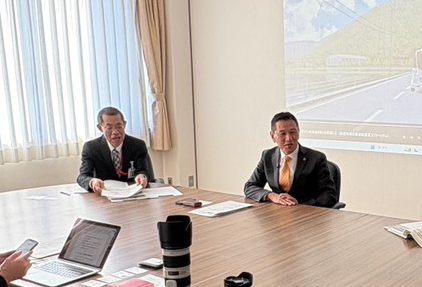
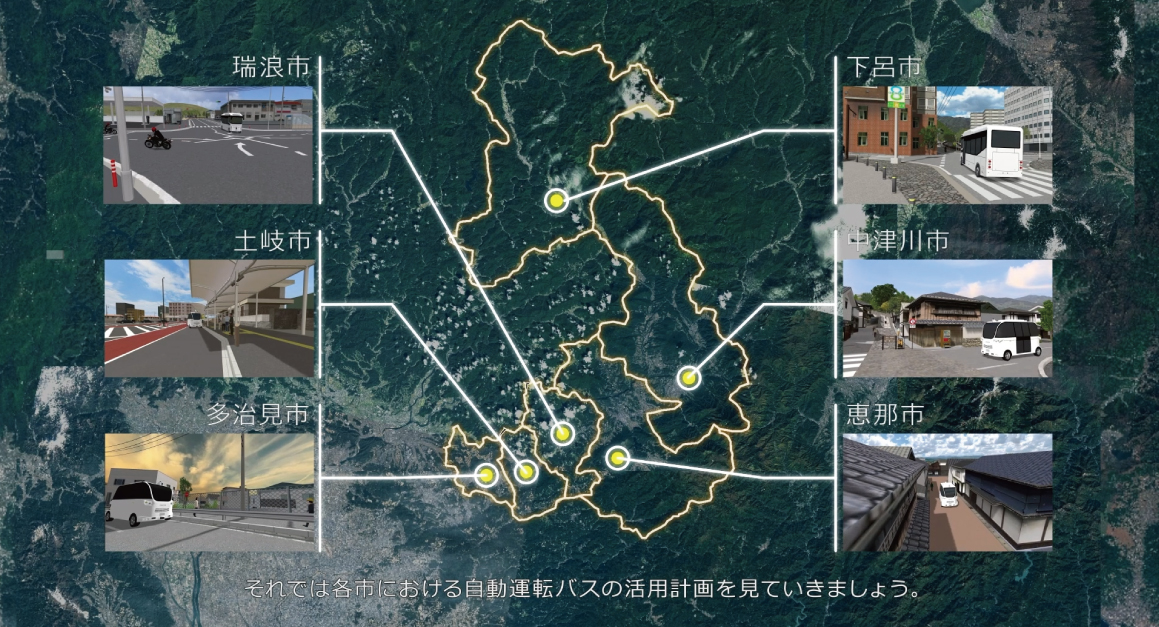
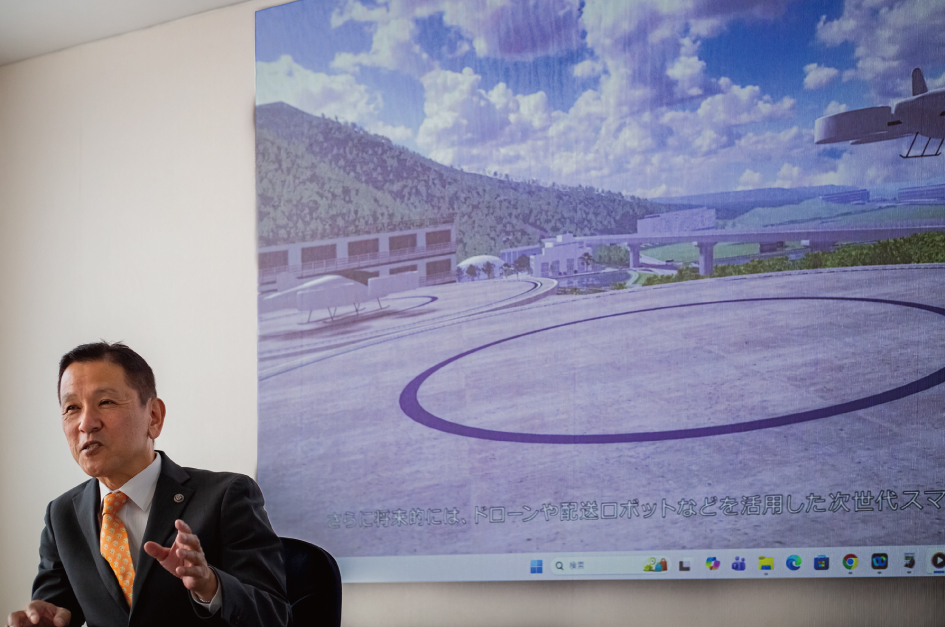
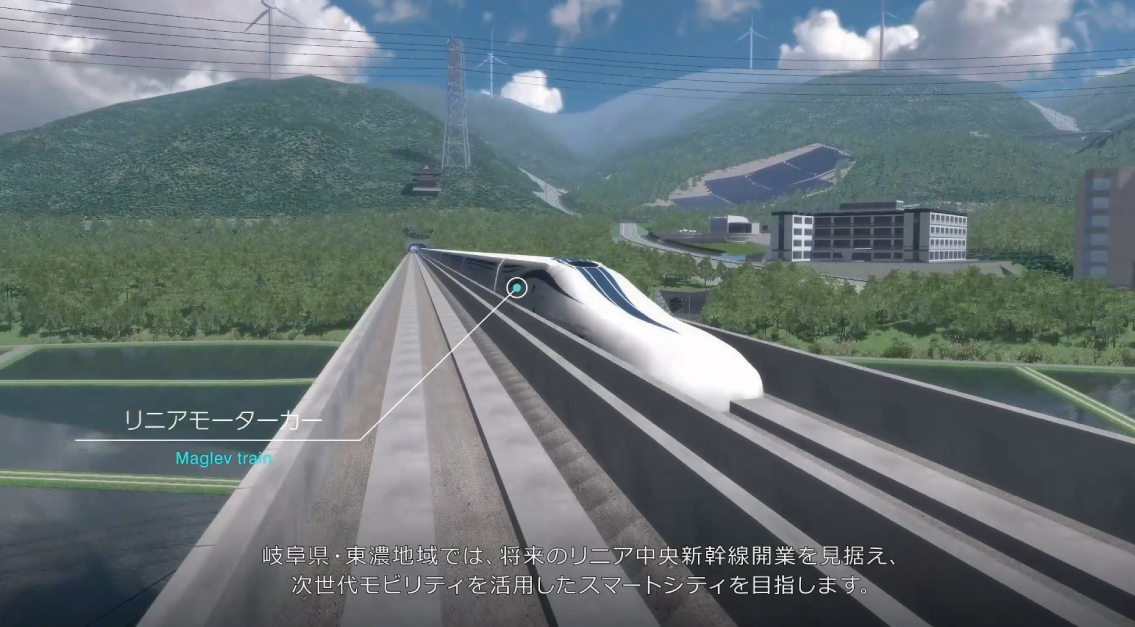
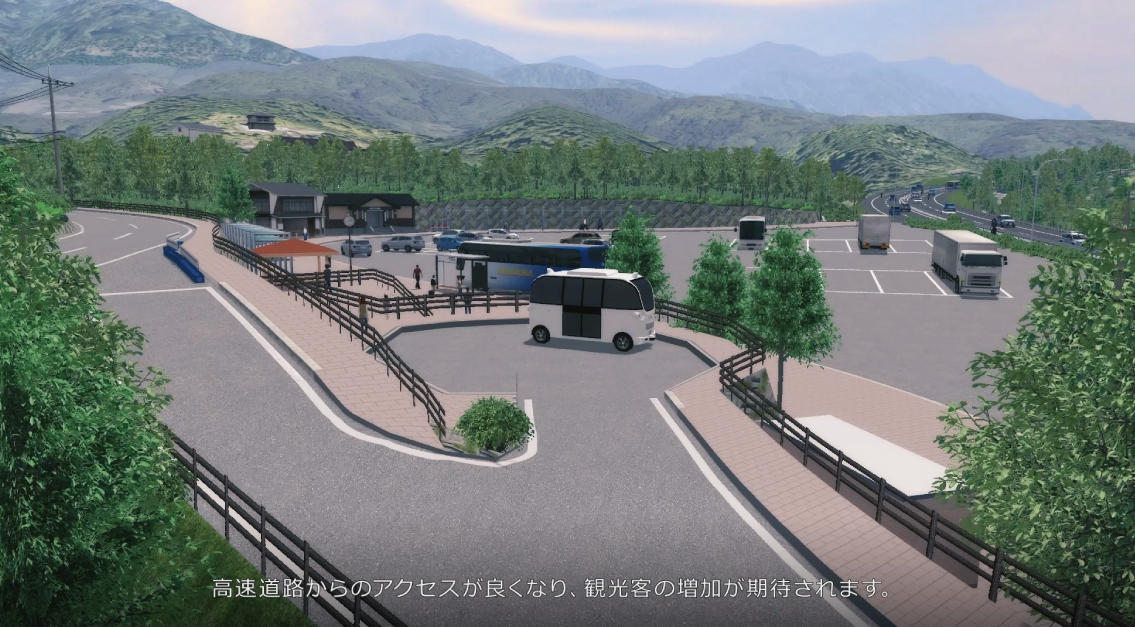
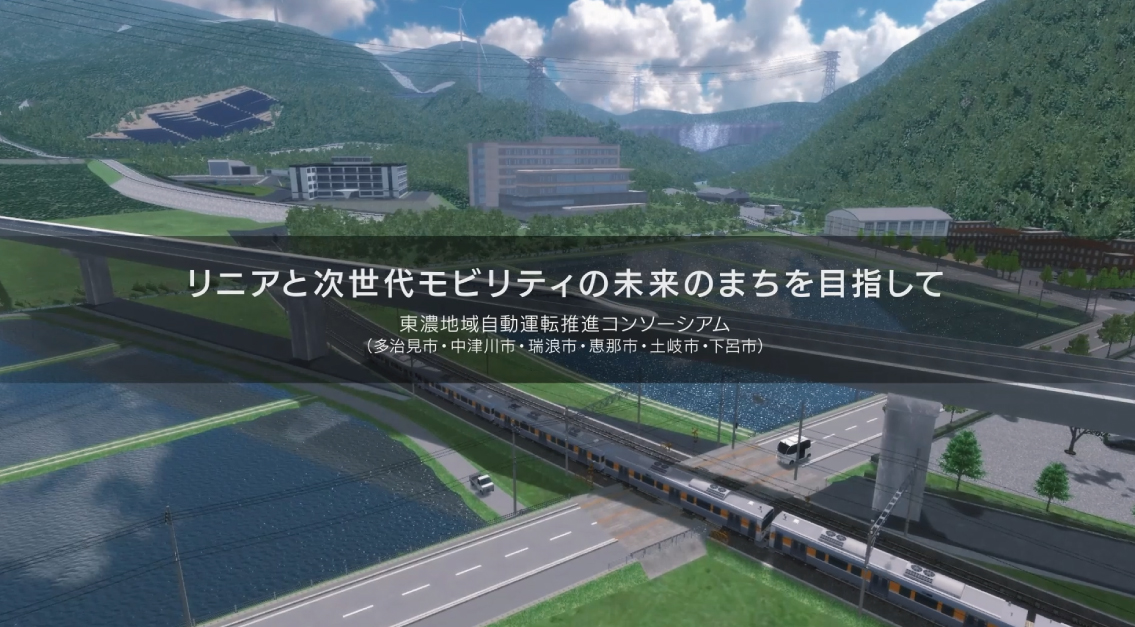
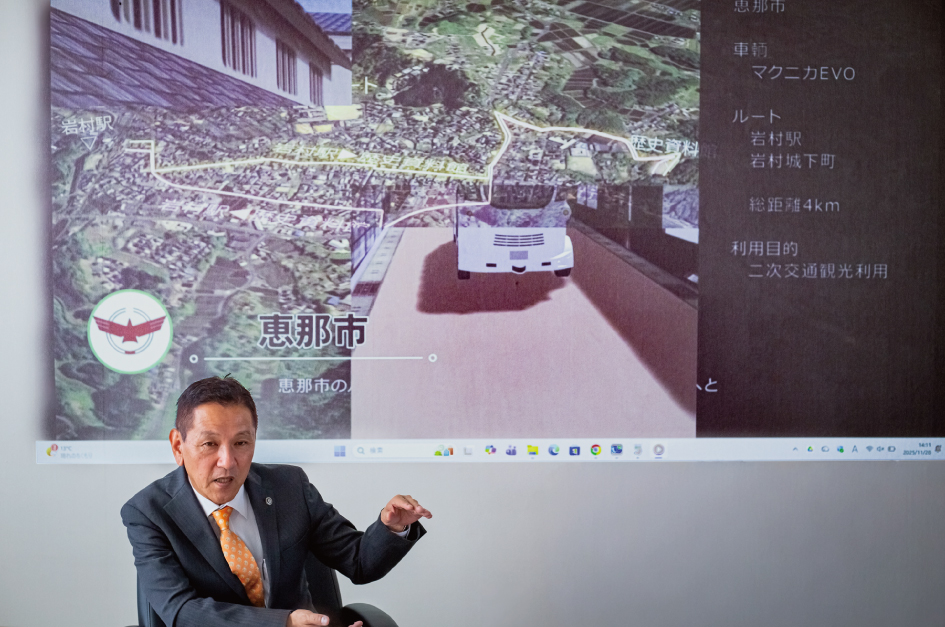
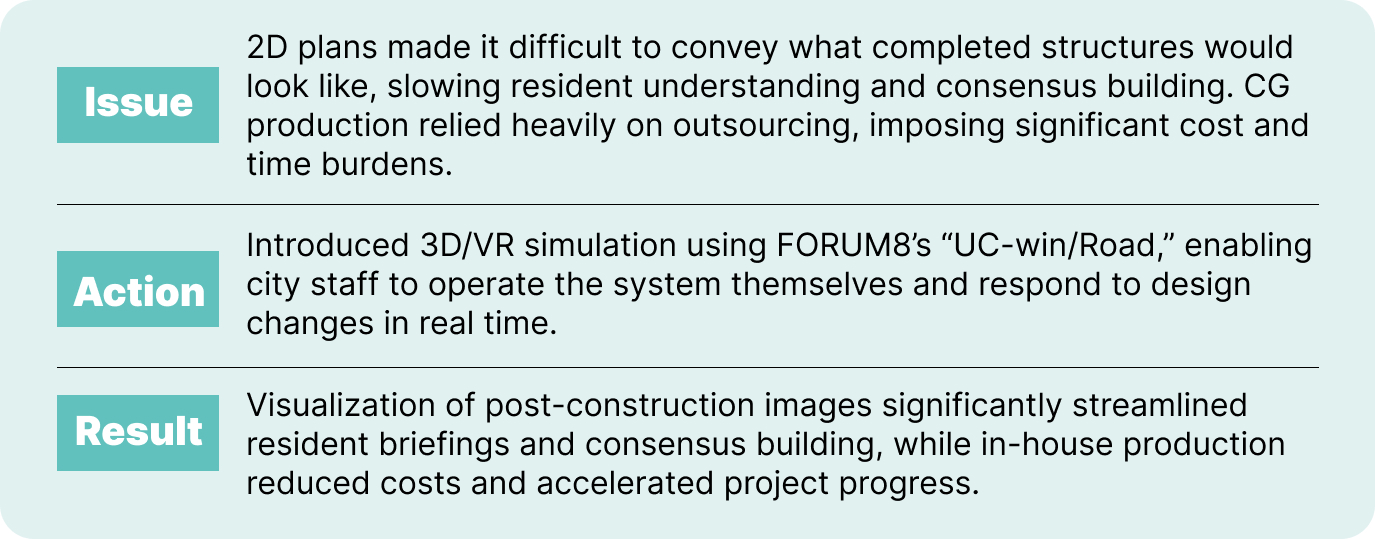
The Power of VR to “Make the Invisible Future Visible” The introduction of FORUM8’s 3D real-time virtual reality software “UC-win/Road” is one symbolic example of these initiatives. The development of the Linear Chuo Shinkansen requires large-scale infrastructure construction, making resident briefings and consensus building indispensable. Changes to roads and structures that were difficult to imagine using 2D plans can now be viewed from an aerial perspective or from a resident’s eye level through 3D simulations, greatly improving public understanding. “We placed strong emphasis on enabling our staff to operate the software themselves and create 3D simulations in-house,” says Yasuaki Matsuda, Deputy Director of the City Planning Department at Ena City Hall. By reducing reliance on external contractors, the city has been able to cut both cost and time. Resident feedback can be reflected on the spot — routes can be adjusted directly on the screen and the revised plan can be shown immediately. This ability to support real-time consensus building was a major reason Ena City adopted UC-win/Road. Mayor Kosaka recalls that when he first saw the VR content created in UC-win/Road, he initially wondered how costly it must have been. In reality, however, overall burdens in terms of both cost and time have decreased compared to when work was frequently outsourced and revised externally. Moreover, being able to respond instantly within the simulation to comments such as “Wouldn’t it be better if we adjusted this part?” has dramatically enhanced opportunities for dialogue. “Like a digital twin, we can test ideas virtually before applying them on-site. VR allows us to redo things again and again — before we enter the real world where time, effort, and money are much harder to spend,” the Mayor says. 24th 3D & VR Simulation Contest
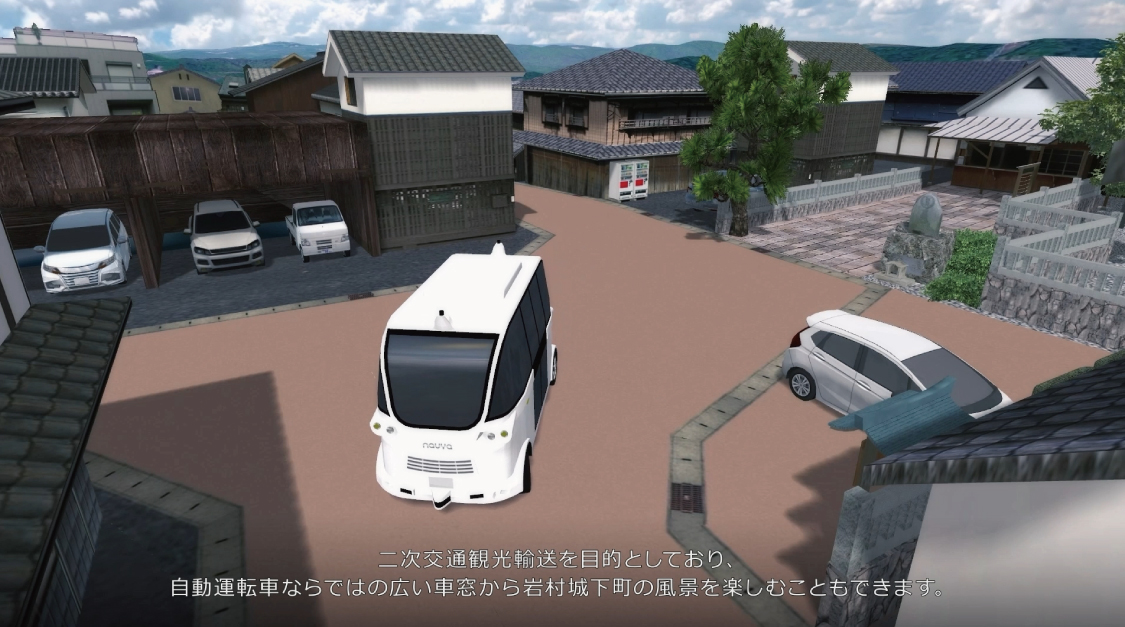
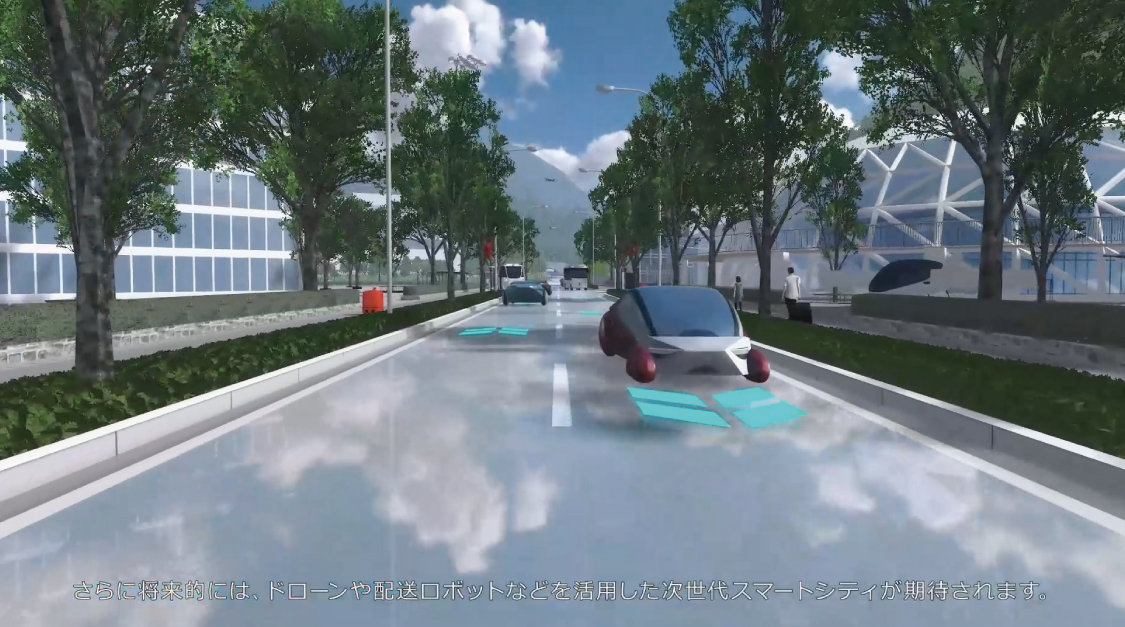
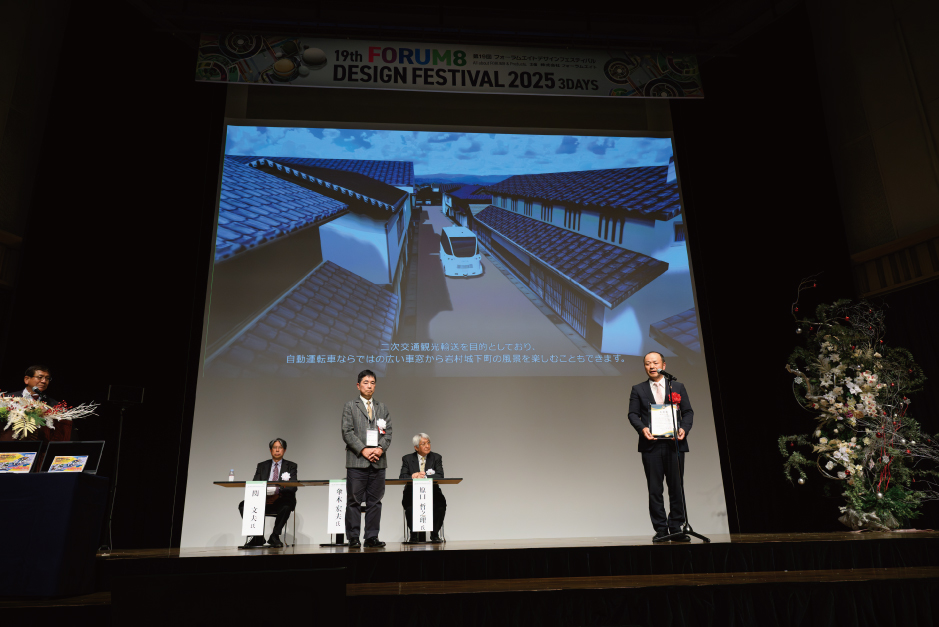
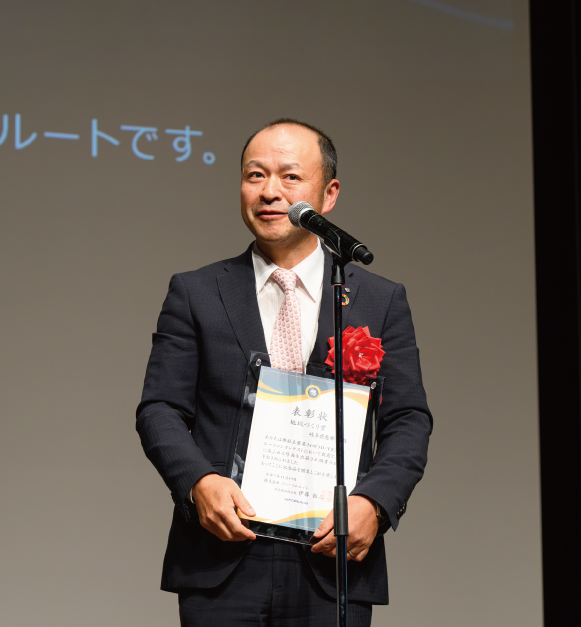
Jury’s Special Award — Community Development Award “Next-Generation Mobility Urban Concept for the Tōnō Region” City of Ena, Gifu Prefecture
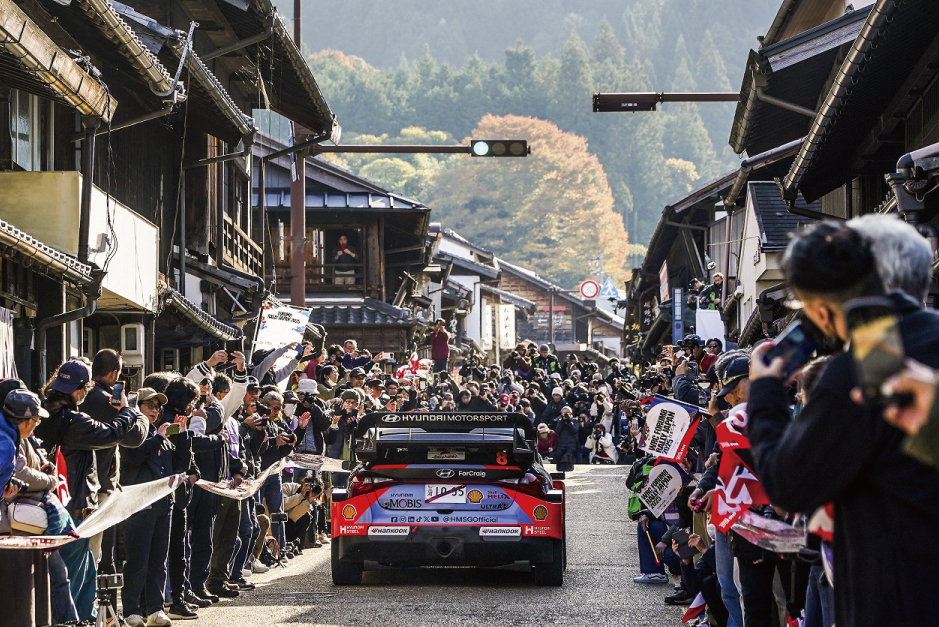
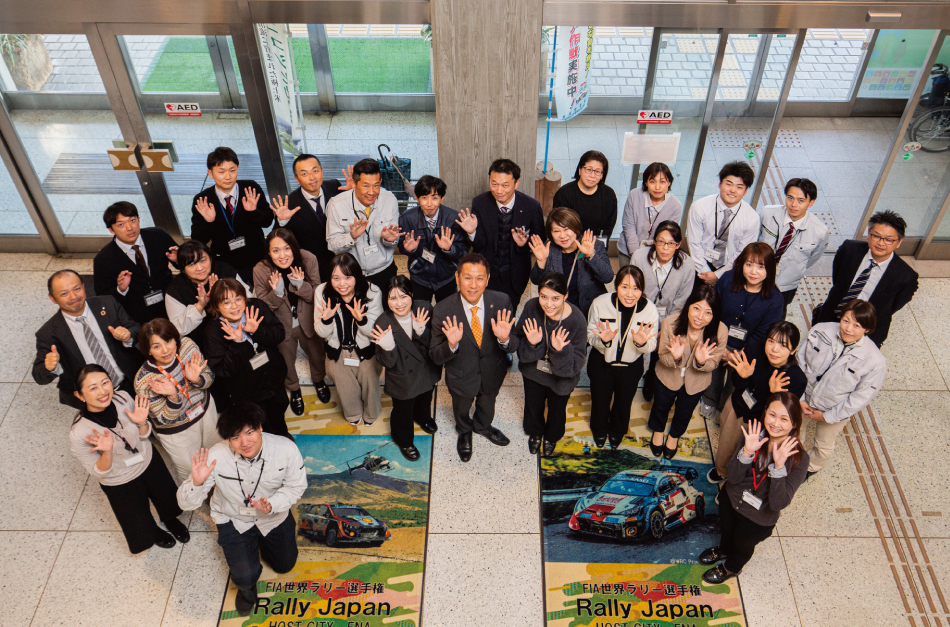
Rally Japan as a Bridge Connecting Local Pride to the Future The hosting of Rally Japan has also brought new perspectives to Ena City, both in terms of digital innovation and community development. Following the fourth WRC event held in the city, awareness among residents that “Ena is a rally city” has steadily grown.
Mayor Kosaka recounts numerous episodes — such as VIP visitors from Dubai dining at a restaurant in Akechi-cho the day before the rally, a high school student who thanked the Mayor at the station before traveling to watch the race in Toyota, and a passionate fan who took a full week off work to follow every stage of the event. “Having some of the world’s top rally drivers race so close to our everyday lives — I’m excited to see what kind of inspiration this will spark in our children’s futures,” he reflects. The Mayor also recalls being inspired when Ena City served as the project field in FORUM8’s Virtual Design World Cup, where students created proposals blending nature, history, culture, and technology. “Rather than simply inserting technology, they emphasized preserving the nature and history that must be protected — then carefully integrating innovation on top of it. Their ideas reminded us of that essential perspective,” he says. Human Capital as the Key to Driving These Initiatives Forward To carry these initiatives even further, the Mayor emphasizes the importance of human resources. “Rather than continually bringing in experts from Tokyo, it is essential that local people take responsibility for shaping the future of their own region,” he explains. For that to happen, digitally skilled personnel must be rooted in the community and given environments where they can apply their abilities to the places they love. Introducing advanced digital tools that city staff can operate on their own has turned this type of talent circulation into a reality — accelerating the movement significantly. Since the time of the merger, Ena City has already installed fiber-optic infrastructure for all households, meaning there are few obstacles when it comes to connectivity. The city invests boldly in infrastructure, then builds human resources and services on top of it. With the addition of practical, implementation-ready digital technology, conceptual “visions” have begun taking concrete steps forward into “execution.” “I don’t believe that doing everything cheaply is necessarily the right approach. If you aim for authenticity, meaningful investment and commitment are required,” the Mayor says, reflecting on his philosophy toward digital technology. Looking ahead, he identifies citizen-focused digital services as a priority area. Imagine a “City Hall app” on every smartphone — automatically delivering reminders for necessary procedures and advice for health and well-being. AI functioning as a helpful “supportive partner,” gently assisting with fulfilling children’s dreams, managing adult health, and helping households maintain financial control. Rather than leaving such ideas as abstract dreams, Ena City is steadily turning them into “implementable options.” From the ancient Tosan-do and Nakasen-do routes to the Chūō Main Line and Chūō Expressway — and onward to the Linear Shinkansen — Ena City has long been a hub where people and cultures cross. Continuing in that role as a place where diverse people and technologies intersect, the city will keep exploring new forms of community for the future. And at the heart of that journey, VR, 3D simulation, and the people who skillfully use them will no doubt continue to play a vital role.
|
||||||||||||||||||||||
| (Up&Coming '26 New Year issue) | ||||||||||||||||||||||
|
||||
|
||||


